SUPPORT
u.S. Food system Reform
Thank you for your support!
Our food system is reaching its limits. We need a more efficient, sustainable, and healthy alternative — for the sake of people, the planet, and animals.
That’s why we’re launching our US Food System Reform Program: designed to empower the next generation of leaders who will reshape how the U.S. produces food. Following the success of our European program, we’re now tackling this urgent challenge in the U.S.

$100K MATCHED
Thanks to our generous donors, the first $100,000 we raised was matched in funding, doubling the impact of your contributions.
HOW THE PROGRAM WORKS
Launching in 2026 and building off the success of our EU Food Transition Fellowship, The School for Moral Ambition’s U.S. Food System Reform Fellowship will recruit, train, and embed ambitious mid-career professionals into high-impact roles advancing systemic food reform.
Recruitment
Too many brilliant young professionals are stuck in "bullshit jobs" — corporate law, finance, PR, consulting — some even working for the very industries entrenching factory farming. The School’s mission is to "steal back" this talent and redirect it toward solving one of the most urgent moral challenges of our time.
Training
Fellows begin with a month-long intensive training program on food systems, factory farming, and intervention strategies.
Placement
Fellows then spend six months at host organizations — think tanks, advocacy- or /interest groups, agencies — tackling projects that shift narratives, build coalitions, and advance policy.
Long term impact
The Fellowship "buys out" 30+ year careers, embedding new leaders in food system reform for life. Success is measured by retention in the field and the cultural and policy impact fellows achieve.

Why This Matters
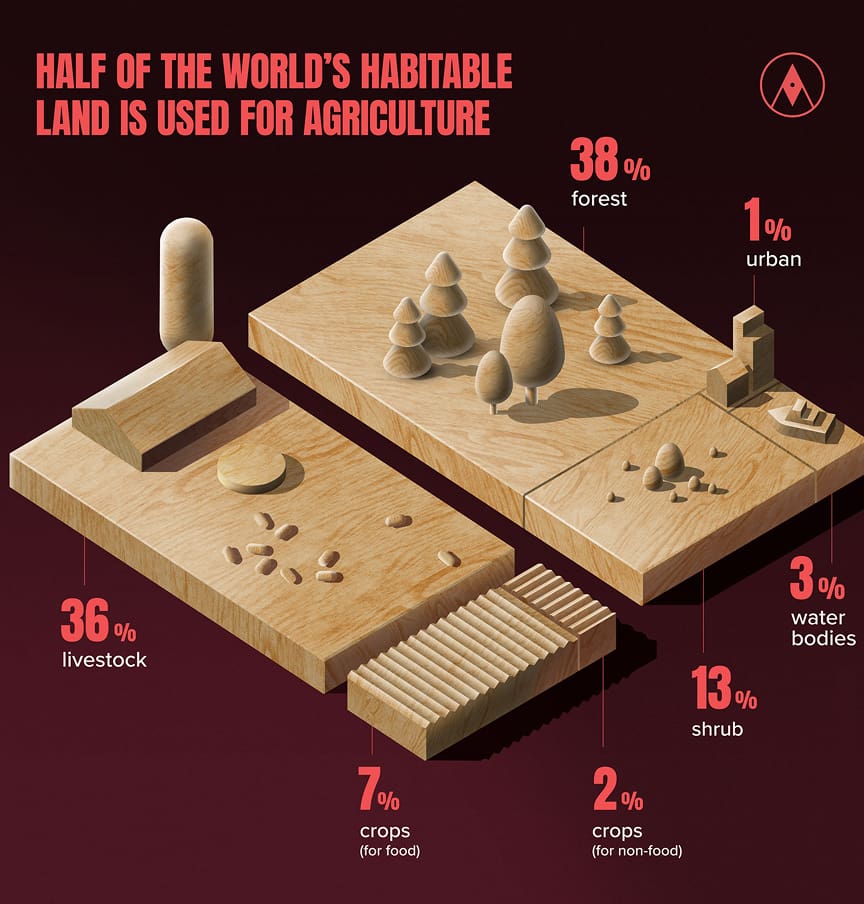
80% of agricultural land is used for livestock, whereas only 16% of land is used to grow crops for direct human consumption. At the same time, almost one-in-ten people in the world are undernourished, and animal agriculture is responsible for more global greenhouse gas emissions than planes, trains, and automobiles combined.
This system is inefficient, unsustainable and destructive. But it doesn’t have to be this way.

Our EU Fellowship
In April 2025, SMA graduated its first cohort of EU Food Fellows, who were placed in 12 host organizations ranging from climate, food and animal advocacy groups to policy institutes and think tanks. 83% remain engaged in food system reform work today, driving major wins across Europe.